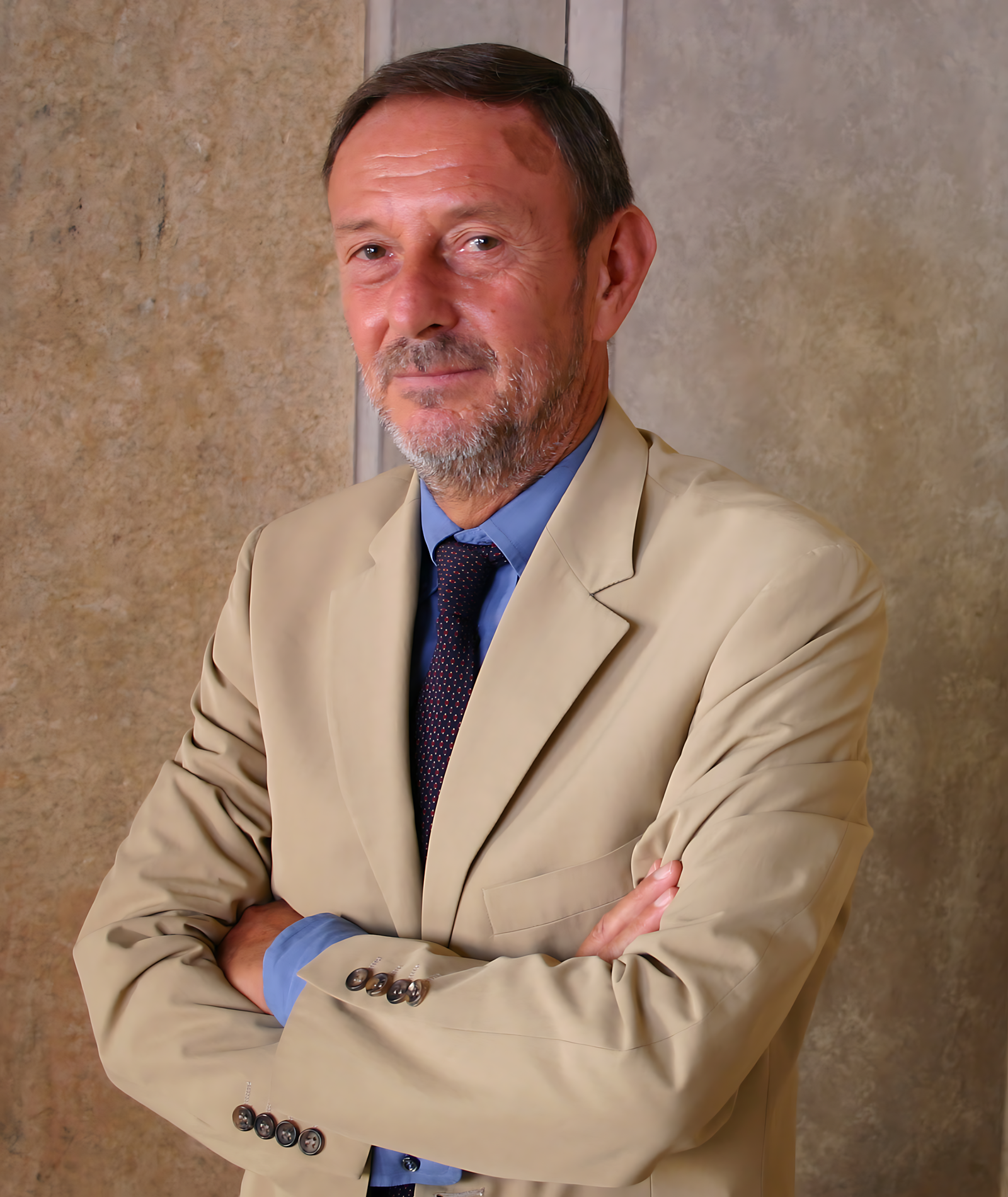
Umberto Curi
Philosopher
After graduating in 1964 and specialising in philosophy in 1967 at the University of Padua, the philosopher embarked on a long academic career at the same university. In 1971 he obtained the qualification to teach (libera docenza) in the history of modern and contemporary philosophy and, in the same year, was appointed to teach the subject. He subsequently became a tenured assistant (1976), then associate professor (1980) and finally full professor in 1986 at the Faculty of Arts and Philosophy of the University of Padua. He also chaired the degree programme in Philosophy from 1994 to 2008 and, after retiring in 2008, was appointed professor emeritus.
Alongside his university work, he held important cultural and institutional posts: for over twenty years he directed the Gramsci-Veneto Institute cultural foundation and was a member of the board of the Venice Biennale for about a decade, contributing significantly to Italian cultural debate.
His philosophical training developed from the influence of masters such as Carlo Giacon, Carlo Diano, Marino Gentile and Paolo Bozzi, while maintaining a strong autonomy of thought. In the early 1970s he began an intense intellectual dialogue with Massimo Cacciari, giving rise to a partnership based on innovative philosophical research and on a theoretical and civic engagement not reducible to rigid ideological schemes.
His research is organised around three main lines: reflection on the relationship between politics and war, developed through the concept of polemos; the analysis of narration as a form of knowledge, both in the dimension of myth and in that of cinema; and meditation on fundamental themes of existence such as love, death, suffering and destiny, addressed in a philosophical key.
Among his most significant works are Endiadi. Figure della duplicità (1995), Polemos. Filosofia come guerra (2000), La forza dello sguardo (2004) and Meglio non essere nati (2008). He has also devoted important studies to the relationship between philosophy and cinema, collected in works such as Lo schermo del pensiero (2000) and Un filosofo al cinema (2006).
For his contribution to philosophy he has received numerous awards, including the Praemium Classicum Clavarense in 2010. In his more recent works too, such as La brama dell'avere (2016), he continues to investigate the fundamental categories of human experience in the light of the transformations of contemporary society.
Sources
- Wikipedia — Umberto CuriConsulted for a biographical summary.